
How to Choose the Right Pair of Ice Skates for Beginners
Hey friend! So, you’re thinking about stepping onto the ice and want your very first pair of ice skates to be just right — that’s fantastic! It can feel super exciting and a little nerve-wracking at the same time, right? Well, I’m here to walk you through everything you need to know to pick a pair of beginner-friendly ice skates that’ll make you smile every time you lace up.
Whether you’ll be cruising leisurely, taking a few lessons, or just enjoying the rink with friends, choosing the right skates now means fewer sore feet, fewer surprises, and more fun. So let’s dive in, and by the end you’ll feel confident, not overwhelmed.
What Beginner Ice Skates Really Mean
Defining “beginner” for ice skating
When someone says “beginner ice skates,” what do they really mean? To me it means boots and blades designed for someone who’s just getting started—someone who wants to enjoy the ice, learn balance, maybe take a class, but isn’t yet focused on advanced jumps or competitive speed. The features are more about comfort and support than performance leaps.
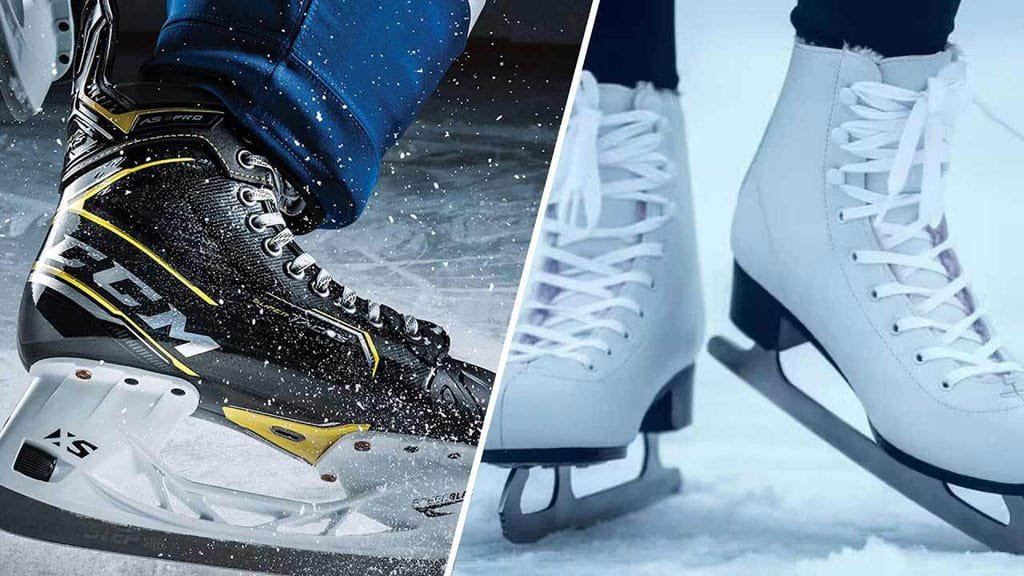
Differences between recreational, figure, hockey skates
Let’s break down the types in friendly terms:
- Recreational skates: Built for fun. Often softer boots, easier to get into, affordable. Great for general use.
- Figure skates: Long blades with toe picks. They help with balance and learning spins/jumps eventually. But as a beginner you might not need toe picks yet.
- Hockey skates: Shorter blades, no toe picks, emphasis on agility and speed. If you’re planning hockey or power moves, good; but for pure beginner fun, the option might differ.
Having clarity on the type helps avoid the “I bought the wrong style” regret.
Why getting it right early matters
Picking the right skate now matters because:
- A poor fit or wrong type = discomfort, blisters, maybe giving up early.
- A good pair = you enjoy skating, you feel steady, you progress.
Studies and fitting guides confirm that boot fit and blade support are the biggest differentiators for beginner success.
So yes, this isn’t just gear talk—it’s about setting yourself up for joy from day one.
Understanding Your Skating Goals & Environment
Where and how often will you skate?
Ask yourself: How many times will you hit the ice? Once a month? Weekly? More often? The frequency influences how much support and durability you’ll need. For occasional use, a more budget-friendly boot may suffice. For frequent sessions, you’ll want something stronger.
Indoor vs outdoor rinks
Are you skating indoors in a well-maintained rink? Or outdoors on a have-to-deal-with-elements surface? Outdoor skating may introduce uneven ice, colder temperatures, and may influence blade choices or boot materials (durability and weather resistance).
Leisure vs lessons: what style suits you?
If you’re skating casually with friends, then comfort and fit are key. If you plan on taking lessons or maybe later doing figure or hockey type movement, then you might pick something with a little more support or a particular style. Being realistic about your goal helps you choose wisely.
Fit & Sizing — The Most Important Factor
Why fit beats brand or price
Many beginner skaters jump to picking a fancy brand or a bright colour—but the fit matters most. A decent boot that fits you well will outperform a fancy boot that doesn’t. For example, fitting guides emphasise that boots should be snug and supportive or you risk slips and discomfort.
Measuring your foot and trying on skates
Here’s how I’d do it if I were you:
- Wear the socks you plan to skate in. One pair, not thick layers.
- Slide into the boot with laces loosened.
- Wiggle toes: toes lightly touch the front but are not jammed.
- Heel should stay locked back—no lifting when you move.
- Stand up, lace fully, walk around the shop. A boot that moves too much or is too painful = not good.
Heel lock, toe room, and width explained
- Heel lock: Ensures your heel doesn’t slide up and down; sliding causes instability.
- Toe room: Too much space = you’ll move around and lose control. Too little = pain or circulation issues.
- Width: Skates tend to be narrower than daily shoes. Some brands offer width options; checking width is wise.
Socks, liners & comfort matters
Since comfort = fun, consider:
- Use a moisture-wicking, thin sock. Thick bulky socks may make the boot looser or create bumps.
- If you have foot irregularities (high arch, wide toe box), try boots that accommodate those.
- Remember: break-in period exists. But a boot that feels bad to start usually stays bad.
Adult vs kids sizing and growth considerations
If you’re buying for a child, or if you want “grow-room”:
- For kids: some beginner boots may offer adjustable sizing. Avoid buying vastly oversized boots just to “grow into”—that hurts stability.
- For adults: Don’t buy too large thinking “it will stretch.” Skates don’t stretch like sneakers; they require precise fit.
Boot Construction – What to Look For
Materials: synthetic vs leather
- Leather: Traditional, durable, often higher support. Takes longer to break in.
- Synthetic/Vinyl: Lightweight, easier to break in, often more affordable. For a beginner these often hit the sweet spot.
So think about how willing you are to tolerate a break-in period versus wanting comfortable right away.
Boot stiffness and ankle support
Support around the ankle is particularly important for beginners because you’re learning balance and control. Boots that are too floppy will make you work harder to stay upright.
But be cautious: boots that are far too stiff may restrict movement and feel punishing for casual use.
Padding, lining and break-in period
Nice features for beginners:
- Soft padded tongue and lining for comfort.
- Heat-mouldable liners (some skates have this) to customise fit.
- But even “easy” boots will likely need a couple of sessions to feel normal.
Avoid buying something that already hurts your first time on dry land.
Sole, heel height and internal structure
The heel height and internal structure affect how you feel on the ice:
- A slightly elevated heel in some cases helps your posture forward (aids balance), especially in figure skates.
- Boot sole should be rigid enough to provide support but not so much that you can’t flex at the front when needed.
- Quality boots often have riveted boots or better mounting compared to budget boots.
Blade & Mounting – Glide, Control & Stability
Blade types: figure vs hockey vs recreational
Blades vary:
- Figure skates: Longer blade, toe pick at front, helps with stopping and spinning.
- Hockey skates: Shorter blade, no toe pick, designed for agility.
- Recreational: May borrow features from either but simpler.
If you’re a casual beginner, figure-style can offer more stability thanks to longer blade; though this depends on your goal.
Blade material: carbon steel, stainless steel, etc
Material matters because:
- Carbon steel: sharp edges, good glide, but needs rust protection. com
- Stainless steel: more rust resistant, lower maintenance; good for recreational use.
- For beginners, stainless or basic carbon steel is fine—no need ultra-premium alloys yet.
Blade profile (rocker, rocker radius) and why it matters
Blade curvature (rocker) affects how easy it is to turn and balance. A flatter rocker gives more stability; a higher rocker allows agile turns but is less stable. Beginners benefit from more stability.
Toe picks: what beginners should know
In figure skates, toe picks are the jagged teeth at the front of the blade that help with jumps and stops. But for someone just learning basic glides and stops, big toe picks can trip you up. Some guides suggest simpler picks until you’re comfortable.
Proper mounting, alignment and quality check
Make sure the blade is securely mounted and aligned. A mis-aligned blade or poor mounting causes wobble or imbalance. As one guide said: good boots with solid mounting can make a huge difference in comfort and performance.
Key Features for Beginners — What to Prioritize
Comfort, support and forgiveness
When you’re just starting:
- A boot that supports your ankle and foot without being painful.
- A blade setup that gives you stable glides.
- A good fit that allows progression without boxing you in.
From the research: comfort + support = better beginner experience.
Adjustability and ease of use
Features to look for:
- Lacing or buckle systems that are easy to fasten but secure.
- Removable liners for drying out after sessions.
- Available replacement blades or sharpening options.
These make your life easier as you get used to things.
Maintenance-friendly models
Beginners often neglect maintenance because they’re focused on skate time. A boot/blade combo that’s low-maintenance (rust-resistant blade, decent liner, good guards) helps keep skating fun, not chores.
Budget sweet-spots and where not to skimp
You don’t need to buy top-tier pro skates as a beginner, but you also don’t want the cheapest no-name that falls apart. Guides suggest a budget starter range (for example around USD $50–$150 for recreational) is fine.
What to not skimp on: fit, support, and a blade that’s at least decent.
Brand reputation, retailer & fitter support
Having a reputable brand or a good skate fitter helps more than you might think—fitting is a skill. If the retailer or fitter doesn’t know what they’re doing, you might have regrets.
Trying On & Buying Tips — What I’d Do if I Were You
Go to a skate shop vs online purchase
If you can: go to a shop and try on. Walk around in the boots. Feel them. If you have to buy online (yes, maybe in your region) then make sure size/return policies are strong. Reddit posts warn about buying blind.
Even if you buy online, measure feet, wear proper socks, know your width.
What to test when you try them on: walk, lace, balance
When trying them on:
- Walk on a flat floor with the boots laced up.
- Do a little lean forward, bend your knees, check how the boot holds you.
- Does your heel lift? Is there too much space in the toe box?
- Check for pinching or pressure points—this will get worse on ice.
- Make sure you can’t slide your foot around inside the boot when laced up.
Checking for fit issues and red flags
Red flags:
- Too much heel lift or space.
- Boots that feel numb or pinch hard as soon as you lace them.
- Blades that look thin or poorly mounted.
- Boots that say “one size up for growth” – that’s usually bad.
- No retailer support or fitting advice.
From the research: proper fit is essential for beginner success.
After-purchase care: sharpening, guards, storage
Once you have your skates:
- Get them sharpened if needed. Most beginner boots need at least initial sharpening before ice.
- Use blade guards when walking off ice to protect them.
- Dry them out after each session to avoid rust or liner mildew.
- Store in a cool, dry place.
By taking these little steps, your first pair will last much longer.
Common Mistakes Beginners Make & How to Avoid Them
Buying too big “for growth”
I hear this a lot: “I’ll buy size up so I can grow into them.” Bad idea. A skate that’s too large = less control, more wobble, more risk of injury. Many fitting guides warn strongly about this.
Better: buy what fits now; if you grow you’ll upgrade later.
Choosing super-cheap and not comfortable boots
A cheap skate that lacks support will frustrate you fast. One guide notes that beginners should invest in a pair that offers comfort and breathable fit, not simply the lowest price.
Ignoring ankle support or buying wrong style for purpose
If you buy a model with minimal ankle support, you’ll feel shaky, especially when learning. Support helps you stand upright without fighting the boot. Also, picking a hockey-style when you’re doing figure or leisure skating (or vice versa) can affect your comfort.
Neglecting blade maintenance or buying rental-only quality
Some beginners buy skates that are essentially rental-grade and don’t think about sharpening, rust, guards. If you don’t maintain the blades, your skating will suffer. From fitting guides: sharp blades = safer, smoother glide.
Summary Checklist & Friendly Encouragement
Quick checklist for your first skate purchase
- I know why I want to skate and how often.
- I have measured my foot with proper socks.
- The boot is snug in heel, no slide, toes lightly touch but aren’t jammed.
- Boot offers good ankle support and stable sole.
- Blade looks appropriate for my style (figure/hockey/leisure).
- Material and comfort are acceptable (liner, padding).
- Budget is set, I’m okay with starter level but not going ultra cheap.
- I’ve tried walking in them or at least trying on in store / know return policy.
- I understand after-care: guards, sharpening, drying.
- I’m excited to get on the ice and feel confident.
Final words of encouragement and joy of skating
Well done—you’re making a smart choice by giving this purchase the attention it deserves. Picking the right pair of ice skates for beginners is more than just shopping—it’s laying a foundation for countless joyful glides, laughs, maybe a little wobble, but mostly fun.
Remember: you’re not in this to be perfect on day one—you’re in this to enjoy the moment of skating, to feel the cool air, to hear the blade’s whisper over ice, to gain confidence with each push, each turn. Can you imagine how it feels to glide smoothly for the first time?
If your skates fit well, feel good, and give you support, you’re already winning. So lace up, stand tall, lean forward just a little, bend your knees, and let yourself enjoy. Because when your gear fits you, you’ll feel the difference—and it’ll make skating something you look forward to, not dread.
Final Thoughts: Turning Beginners into Confident Skaters
Choosing your first pair of ice skates is an exciting milestone. When done right, it sets you up for comfort, confidence, and joy every time you walk onto the ice. You’re not just buying gear—you’re investing in your skating future.
If you follow the steps above—understand your goals, get the fit right, pick a supportive boot and blade combo, and take care of your skates—you’ll have a pair that feels like it was made for you. And when you feel that snug heel, that locked-in ankle, that smooth glide across the ice for the first time—it’s magic.
So go ahead and treat yourself, try on some skates, ask questions, trust your instincts, and when you find the one that fits you, you’ll know. Here’s to your first glides, your big smiles, your steady balance—and the many happy skate sessions ahead. Lace up, lean in, and enjoy the ride.
Please read more about the best ice skates.
FAQs
What size ice skates should a complete beginner buy?
A good starting point: use your regular shoe size as a reference, but expect boots to feel snugger. Many beginner guides suggest that you should be able to slide your foot into the boot, lace up, and still have a firm heel lock and toes lightly touching. If your foot slides around or there’s a large gap, the boot is too big.
Should I buy figure skates or hockey skates as a beginner?
It depends on your goals. If you plan recreational skating, taking lessons, maybe doing basic spins or glides, figure skates (with longer blade and possibly toe pick) often offer more stability. If you prefer speed, agile movement, or plan to play hockey later, hockey skates might be suitable. The key is choose what fits your plan. Reddit beginner skaters often favour figure-style because they feel more forgiving.
How much should I spend on a beginner pair of ice skates?
For a beginner recreational pair, many guides suggest somewhere in the USD ~$50–$150 range is reasonable depending on brand/region. You don’t need pro-grade stiff boots yet. What matters more is fit and support.
Can I buy skates online without trying them on?
Yes you can, but cautiously. Try to buy from a retailer with a strong return policy, measure your foot carefully, know your width and brand sizing quirks. Many skaters recommend visiting a fitter if possible because the fit makes a big difference.
How do I maintain my new ice skates to make them last?
Some key maintenance tips:
- Always dry the blades and store them with guards off to avoid rust.
- Use blade guards when walking off the ice.
- Get the blades sharpened by a professional before your first major session (many new boots are sent un-sharpened).
- Store boots in cool dry place, liners removed or air-circulated.
- Inspect boots for damage, looseness, blade alignment regularly.
Good maintenance = more skate time + fewer frustrations.