
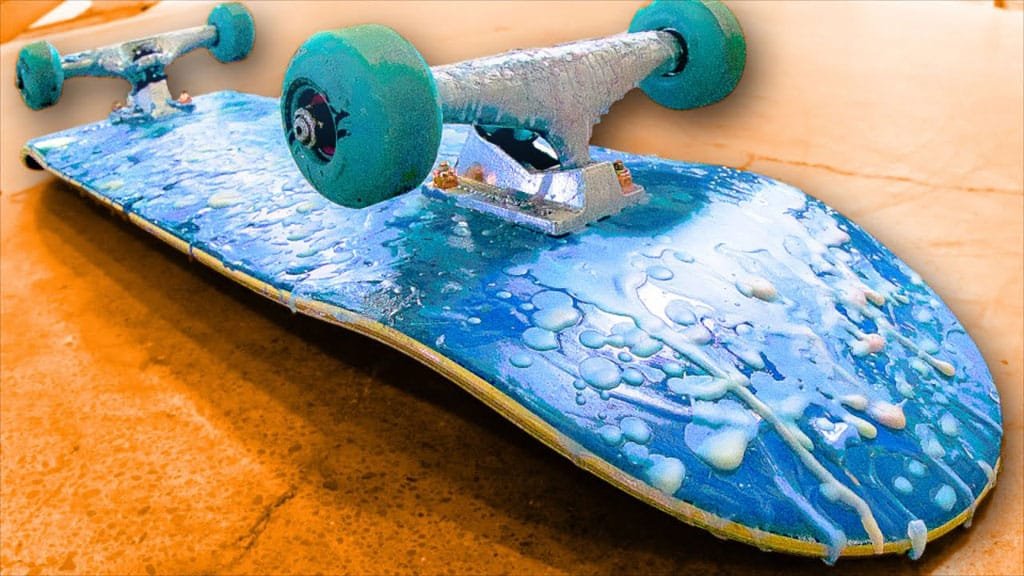
Rolling Smooth, Staying Safe: The Real Talk on Skateboard Wax Safety
You know that satisfying feeling when your board slides perfectly across a rail? That butter-smooth motion that makes everything feel effortless? Well, behind that flawless grind is a small, often-overlooked hero — skateboard wax.
But here’s the twist: while wax keeps your moves slick, it also comes with a few hidden safety concerns most skaters don’t think about. Yep, I’m talking about the waxing safety of skateboard wax — its flammability and storage risks. Sounds a bit technical, right? Don’t worry, I’ve got you.
We’re about to break it down in plain, skater-friendly talk. You’ll learn what skateboard wax is really made of, how it reacts to heat, why it can be flammable (yep, that bar in your backpack could catch fire under the wrong conditions), and how to store it safely so it’s always ready when you are.
This isn’t about fear — it’s about empowerment. Knowing the facts makes you smarter, more confident, and just plain safer at the park. Because let’s be real: nothing kills the vibe faster than melted wax all over your gear (or worse, a fire hazard you didn’t see coming).
So, grab your board, keep that curiosity rolling, and let’s dive into the world of skateboard wax safety, flammability facts, and smart storage tips that every skater should know.
What skateboard wax is and why it matters
What is skateboard wax made of
So, first up: what exactly is skateboard wax? In simplest terms, it’s a solid block or bar of wax designed to reduce friction on surfaces like rails, ledges, transitions — making your board slide or grind smoother. Most of the time, that wax is based on hydrocarbons — think of substances like paraffin wax or blends with beeswax. According to material data, paraffin wax is a petroleum-derived solid hydrocarbon with a melting point typically between about 46–68 °C (115–154 °F).
That means yes — wax for skating is very much a chemical product, and its behavior under heat, ignition, and storage matters.
Typical ingredients (paraffin, beeswax, blends)
You’ll see skateboard wax composed of:
- Paraffin wax: The more common base in many skate-wax bars. It’s hard, slick, melts at moderate temperature.
- Beeswax or natural wax blends: Some waxes use beeswax or natural waxes blended in for performance, temperature-stability or environmental reasons. For example, the article comparing beeswax vs paraffin in skating noted differences in hardness, melt behavior.
- Additives: Some wax bars may add PTFE or silicone powders (to increase slickness) or colorants, packaging solutions. These may influence safety as well.
Since the composition directly influences melting point, stability, and flammability, it’s important you know what you’re working with.
Why skaters use it: purpose & benefits
Okay, so why go through all this? Because using wax correctly enhances your skate game and helps prevent mistakes.
Benefits:
- Smoothness: Wax on ledges or rails reduces friction so you glide easier.
- Protection: It helps protect surfaces (and board underside) by providing a uniform layer and reducing abrasion.
- Performance consistency: When conditions are right, the right wax helps you feel in control.
But here’s the thing: if you misuse it or neglect storage, you might end up with wax that’s melted, degraded, or worse — a hazard. That’s where the safety side kicks in. It made me feel both empowered and cautious when I first realized wax was more complex than just “rub and ride”.
Understanding the hazards: flammability & thermal risks
Flammability of wax materials
Flash point, ignition temperature
Let’s talk fire risk. Many waxes (particularly paraffin) have a flash point that is high comparatively, but still within reachable range when wax is melted or exposed to high heat. One MSDS for paraffin wax lists a flash point of ~113 °C (235 °F) closed cup. The Wikipedia page for paraffin wax says it “burns readily”.
That means if you melt or apply wax near hot surfaces, open flames, or ignition sources, you’re flirting with a fire risk. It’s a bit scary when you think “hey this bar of wax could ignite if mishandled”.
Why paraffin wax burns readily
Paraffin wax is essentially hydrocarbons. When you heat it to melt, some vapours can form and if there is an ignition source (spark, open flame), they can ignite. The MSDS warns: “Avoid heating above 100 °C unless in a well-ventilated area” for paraffin wax.
So sure, while you’re just rubbing it on a curb, you’re mostly safe — the real risk comes when wax is melted, overheated, stored near heat, or exposed to ignition.
Thermal risks during use and storage
Melting point, softening, exposure to heat
We already looked at melting points: around 46–68 °C for paraffin. In storage or transport, if temperatures get high (for example in a car trunk on a hot day) the wax can soften or partially melt. That leads to deformation, mess, potential dripping, unstable shape. The storage guidance for wax products emphasises avoiding high temperatures and direct sunlight.
When wax softens, it may also lose some structural integrity, degrade faster, pick up contaminants — and in some cases increase risk of ignition if vapours build.
Burns,vapors, skin contact dangers
If wax is molten or very soft, contact with skin or eyes is dangerous. The MSDS says for molten paraffin: “Skin contact with molten material can result in severe burns.” Also vapours may cause mild irritation in inhalation. So yeah — don’t treat it casually when hot. I know you probably just want to apply it and skate, but taking a second to think about heat hazards will make you feel more in control.
Other chemical hazards & exposure
Even though skateboard wax is mostly “simple” wax, if there are additives (PTFE, silicone, colourants, fragrance) they may introduce other hazards (inhalation of fumes when melted, contact hazard). One general wax safety guideline warns: “Work in a well-ventilated area to reduce fumes / respiratory risk.”
While this is less likely during cold use (just rubbing), it’s worth knowing.
Safe handling of skateboard wax during use
Pre-use inspection & environment
Before you grab your wax bar and head to the rail:
- Check the wax bar for damage, cracks, or signs of melting. If it’s deformed or soft, it may have been exposed to heat.
- Ensure your environment is safe: no nearby open flames, sparks, or high heat surfaces where wax is stored or being applied.
- Make sure the surface (rail, ledge) is clean and dry. Some product safety guidance warns against applying wax in wet or slippery conditions.
Taking those steps helps you avoid surprises.
Application safety: where & how to apply
When you apply wax:
- Use a well-ventilated area (outdoors is best) — avoids inhaling any vapors.
- Avoid applying wax right next to open flame, hot metal surfaces, or underneath cars where heat can build.
- Keep the wax bar away from direct sunlight or hot asphalt until right before use — that way you don’t end up with a soft mess.
- After applying, if any wax drips or leaves residue, clean the area properly to prevent slipping hazards for you or others.
Protective measures: PPE, ventilation, clean up
I’m not saying you need full lab gear, but simple awareness helps:
- If you’re melting wax (less common for skating but maybe custom mixes) use gloves, goggles, and good ventilation. General paraffin wax safety guidance says gloves and goggles for molten wax.
- Clean up spills promptly. Spilled wax is a slip hazard and may stick around. One product’s SDS for paraffin notes that spilled solid material should be allowed to harden and then scraped up.
- Avoid inhaling fumes if you’re melting or applying indoors (not recommended) — open up a window or apply outside.
Best practices for storage of skateboard wax
Ideal storage conditions (temperature, humidity, ventilation)
Here’s where the “storage tips” part comes in. For best longevity, safety, and performance:
- Store wax in a cool, dry, well-ventilated area, away from direct sunlight and heat sources.
- Keep ambient temperature moderate (some sources suggest below 40 °C for paraffin storage).
- Avoid high humidity or moisture exposure — moisture can degrade wax, cause contamination, or make the packaging swell.
- Ensure the immediate storage area is away from ignition sources (open flame, heaters, radiant surfaces). One SDS states: “Store in a cool, dry, well-ventilated area away from heat, sources of ignition and incompatibles such as strong oxidizers.”
When you store your skate wax well, you’ll feel the difference in its performance … and you avoid the risk of stored wax becoming a hazard.
Packaging and container considerations
- Keep the wax in its original packaging if possible, or in a box/container that protects it from dust, light, moisture and physical damage. One guideline: “Store solid waxes in original packaging. Avoid exposure to direct sunlight and humidity.”
- Label storage containers if you have multiple types of wax or custom mixes — so you know what you’re grabbing.
- If storing bulk or blocks of wax for future use, ask yourself: is it stacked safely? Are aisles clear? For industrial scale: “Ensure adequate aisle space… stacked properly to avoid excessive stacking height that may damage the packaging or cause compression deformation.”
Even though you may be a skater storing a few bars, the same principle of “neatly stored” applies.
Transport & bulk storage (if relevant)
If you’re hauling wax to a skate session, or you buy in bulk:
- Use containers/boxes that prevent the wax from sliding around or being exposed to heat (say in a car boot during summer).
- Avoid leaving wax in a hot vehicle trunk, sun-exposed dashboard or near heater vents. A blog about surf wax storage warned a car’s dash is “no place” for wax because heat builds and melting occurs.
- If you’re storing a large amount (say you’re a reseller or wax maker), maintain temperature control. Example: “Wax storage… indoor or outdoor, requires insulated storage tanks at a temperature 20 °F to 30 °F above its melting or congealing point.”
Key takeaway: don’t ignore transport/storage — even small wax bars are subject to environmental conditions.
What NOT to do: common mistakes and hazards
Here are some mistakes to avoid:
- Leaving wax in a hot car or on a windowsill where sunlight hits — causes softening or melting.
- Storing wax near open flame, radiator, heater or other ignition source.
- Freezing wax for storage (sounds smart, but can cause moisture, structural damage). The surf-wax guide says freezing is only a “quick remedy” not long-term.
- Mixing or using wax while it’s degraded (soft, discolored, cracked corners) — its performance suffers and risk increases.
- Ignoring packaging damage or contamination (dust, metal particles) which can degrade wax quality or cause unwanted reactions (metal catalysed oxidation) — some guidelines warn against storing wax tanks made of copper/brass due to catalytic oxidation.
By avoiding these traps, you’ll feel more relaxed about your gear and less likely to face a surprise.
Special considerations for skate environments
Wax in skate parks, outdoor settings, transport in bags
When you’re lugging your wax to the park:
- Keep the wax out of direct sun when you’re there; maybe tuck it in your bag rather than leaving it on asphalt. Asphalt can heat up significantly and transfer heat into the wax.
- If you leave the wax in your backpack while skating, consider its proximity to heat sources (for example if you leave your backpack near a heater vent or in a hot car).
- Apply wax outdoors where possible. Indoor parks might have less ventilation, which raises risk if any warming or melting occurs.
Heat exposure in vehicles or on hot asphalt
As I said earlier: heat is your enemy for storage and transport. Some hardcore park sessions involve skate trips in vehicles under the sun.
Here’s what to watch:
- Dashboard, windows, car trunk on a sunny day can easily exceed 50 °C or more. That’s well above melting/soften point of many waxes.
- If wax softens or melts partially, it may deform, drip, or even release vapors. Not ideal.
- A melted wax bar in your bag might stick to things, deform, or become a hazard (slip risk, mess). So either carry it in a cooler bag or ensure shade.
Disposal and environmental concerns
After the bar is used up, or if you decide to discard old wax:
- Don’t just toss wax into nature. Some skate wax safety docs say: “Do not discard in nature… dispose of used or broken wax pieces responsibly.”
- If the wax has additives (PTFE, silicone), check whether there are local regulations for disposal (especially if melting at high temps).
- Clean up residues from ledges when you leave sessions; a melted or broken wax piece can become litter or hazard for others.
Putting it all together: checklist & tips
Quick safety checklist for skaters
Here’s your go-to list before you hit the park:
- Wax bar inspected: no melt spots, cracks, deformed shape.
- Stored in a cool, dry place until use; not left in hot vehicle.
- Application area away from ignition sources/heat vents.
- Workspace (rail/ledge) clean & dry; avoid wet/slippery surfaces.
- Use outdoors or in ventilated space; avoid indoor melting.
- Spills cleaned immediately; bag/box for old wax kept.
- Transported in bag away from heaters or direct sunlight.
- After session, wax bar returned to cool storage; any waste disposed responsibly.
Scenario examples (what if wax softens in sun / what if you left it near heat source)
Scenario: You leave your wax bar on your car’s dashboard on a hot day. When you get back, the bar is soft, slightly melted. What to do?
- Don’t apply it; let it cool and harden in a shaded area (or fridge briefly if safe).
- Inspect for any deformation, clumping or signs of overheating (discoloration, sticky surface).
- If significantly damaged, replace it; degraded wax may perform poorly and pose risks.
Scenario: You’re melting a wax bar (maybe for custom shaping) indoors, near old heaters. The wax starts to give off warmth, maybe faint vapors. What to do?
- Ensure ventilation; open a window or move outdoors.
- Use a designated melting tool (double boiler), not direct flame. General wax safety rules warn that heating above certain temp requires ventilation.
- Keep hands/skin protected; avoid contact with molten wax. If spillage occurs, churn to solid then scrape up, don’t try to wash down with water at high temps (splashes hazard).
Staying Slick, Staying Smart: Your Final Word on Skateboard Wax Safety
So, my friend, we’ve cruised through the ins and outs of waxing safety of skateboard wax — from flammability facts to smart storage habits. It’s kind of wild, isn’t it? Who would’ve thought that a tiny block of wax — something we toss in our bag without a second thought — could hold so many little science lessons and safety rules?
But now you know better. You know that wax isn’t just about smoother slides or cleaner grinds; it’s also about understanding what’s in it, how it behaves when heated, and how to store it right. That knowledge makes you not only a better skater but also a smarter one.
Next time you grab your wax, take a second to appreciate what it does — and respect what it can do if mishandled. Keep it cool, dry, and away from heat. Treat it like the gear that helps you push boundaries safely.
Because when you skate with awareness, you don’t just ride — you flow. You stay safe, keep your gear in top shape, and protect the spots and people around you. And that’s what real skate culture is about: freedom, fun, and respect for the ride.
So yeah — keep sliding, keep learning, and keep it safe. Your tricks will look even better when you know you’ve got every detail locked down.
Please read more about the best skateboard wax.
FAQs
Is skateboard wax flammable?
Yes — many skateboard waxes are made from paraffin or similar hydrocarbons, which have flash points (e.g., ~113 °C for paraffin) and can burn if exposed to ignition sources when melted or in vapor form.
However, in typical use (room temperature rubbing) the immediate fire risk is low. The risk increases with heat/melting or improper storage.
What’s the best place to store skate wax?
In a cool (ideally under ~40 °C), dry, well-ventilated spot away from direct sunlight, heaters, radiators and ignition sources. Keep it in original packaging or a protective container to prevent distortions or contamination.
Can I leave wax in my car or backpack?
You can, but with caution. Car trunks or dashboards can heat up significantly; that heat can soften or melt the wax, deteriorate performance or increase risk. If you must stash it there, keep it shaded, maybe in an insulated bag, and inspect before use.
What should I do if wax melts or becomes soft?
Stop using it for a session. Let it harden in a shaded, cool place. Check for deformities, discoloration or stickiness. If it’s significantly degraded, replace it. Using softened or compromised wax may give inferior results and pose safety issues.
Does the type of wax-base (paraffin vs beeswax) affect safety?
Yes-somewhat. Paraffin has known melting/ignition properties (melts ~48-66 °C, flash point ~113 °C) and is more common in skate wax. Beeswax or blended waxes may have different melt behaviors (often higher stability in heat) but they still must be handled and stored with care. Always check the product’s safety data if available.
